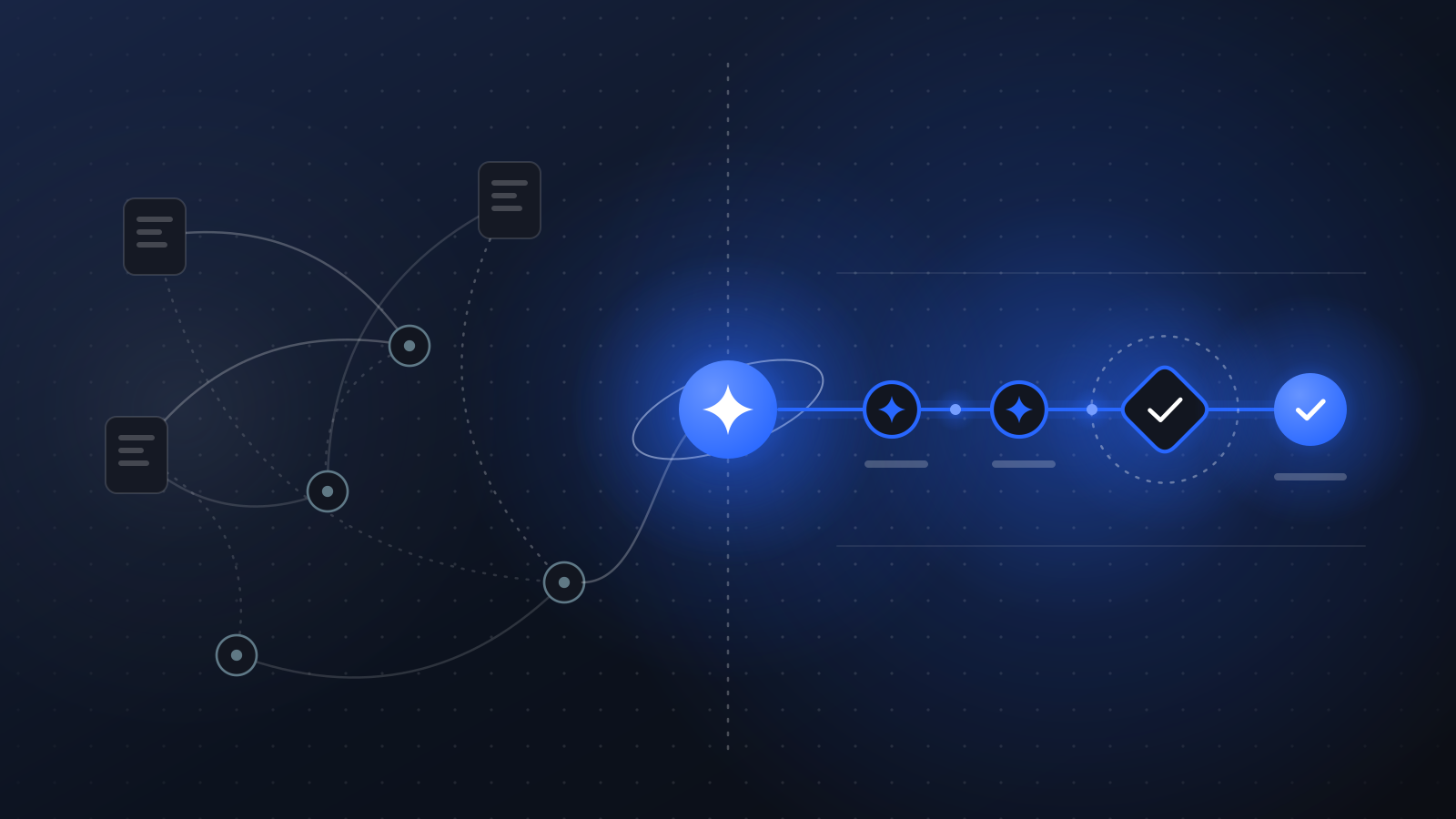
“Agentify” is our word, so we owe you a precise definition. Agentifying a workflow means taking a real, recurring piece of work, such as paying invoices, triaging support tickets, or onboarding a new hire, and rebuilding it so that supervised software agents do the reading, gathering, drafting, and routing, while people keep the decisions that carry risk.
It does not mean dropping a chat window on your intranet. It does not mean a demo that works on five hand-picked examples. And it does not mean handing your operations to a black box you rent from someone else.
Here is how we approach it, step by step.
Start with the work, not the model
Every engagement starts with a workflow map. We sit with the people who do the work today and write down what actually happens, not what the process document says happens.
What we look for
- Inputs. Where does the work arrive? A shared inbox, a form, a webhook from another system, a spreadsheet someone emails on Mondays.
- Steps. What does a person read, look up, compare, and write? Which systems do they open, and in what order?
- Decisions. Where does someone make a judgment call? Which of those calls are routine, and which carry real money, legal, or customer risk?
- Exceptions. What happens when something does not fit? Who gets pulled in, and how?
- Outputs. What is the finished state? A posted invoice, a sent reply, an account created, a schedule published.
Most workflows turn out to be a lot of reading and matching wrapped around a few real decisions. That shape is exactly what agents are good at, as long as you keep the decisions where they belong.
Decide where humans stay in charge
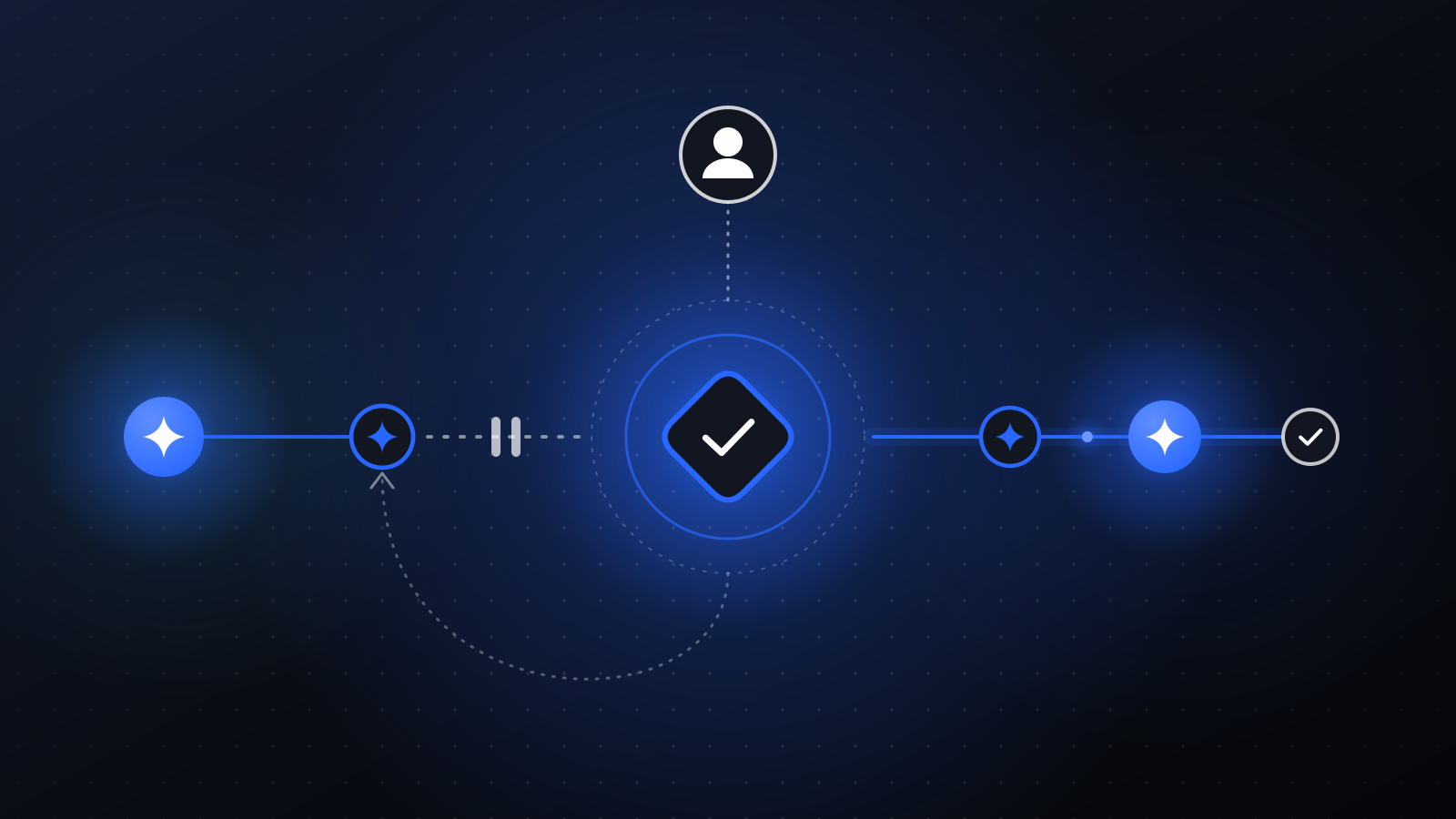
Before we write any agent code, we mark the approval points. These are the places where a person must see the agent’s proposal and say yes before anything happens.
Agents propose. People decide where it matters. The system enforces the difference.
In practice, approval points cluster around actions that move money, change access, speak to a customer or counterparty for the first time, or delete data. On our platform, these become tool calls that require approval before they run. An agent can prepare a payment run, but it cannot release it. It can draft a redline, but it cannot send it.
The point is not to slow everything down. Many steps need no approval at all, such as reading an invoice, looking up a purchase order, or summarizing a ticket. Approval points are deliberate, few, and placed where a mistake would be expensive.
Build agents with narrow jobs
A common failure mode is one giant agent with a giant prompt that tries to do everything. It is hard to test, hard to debug, and hard to trust.
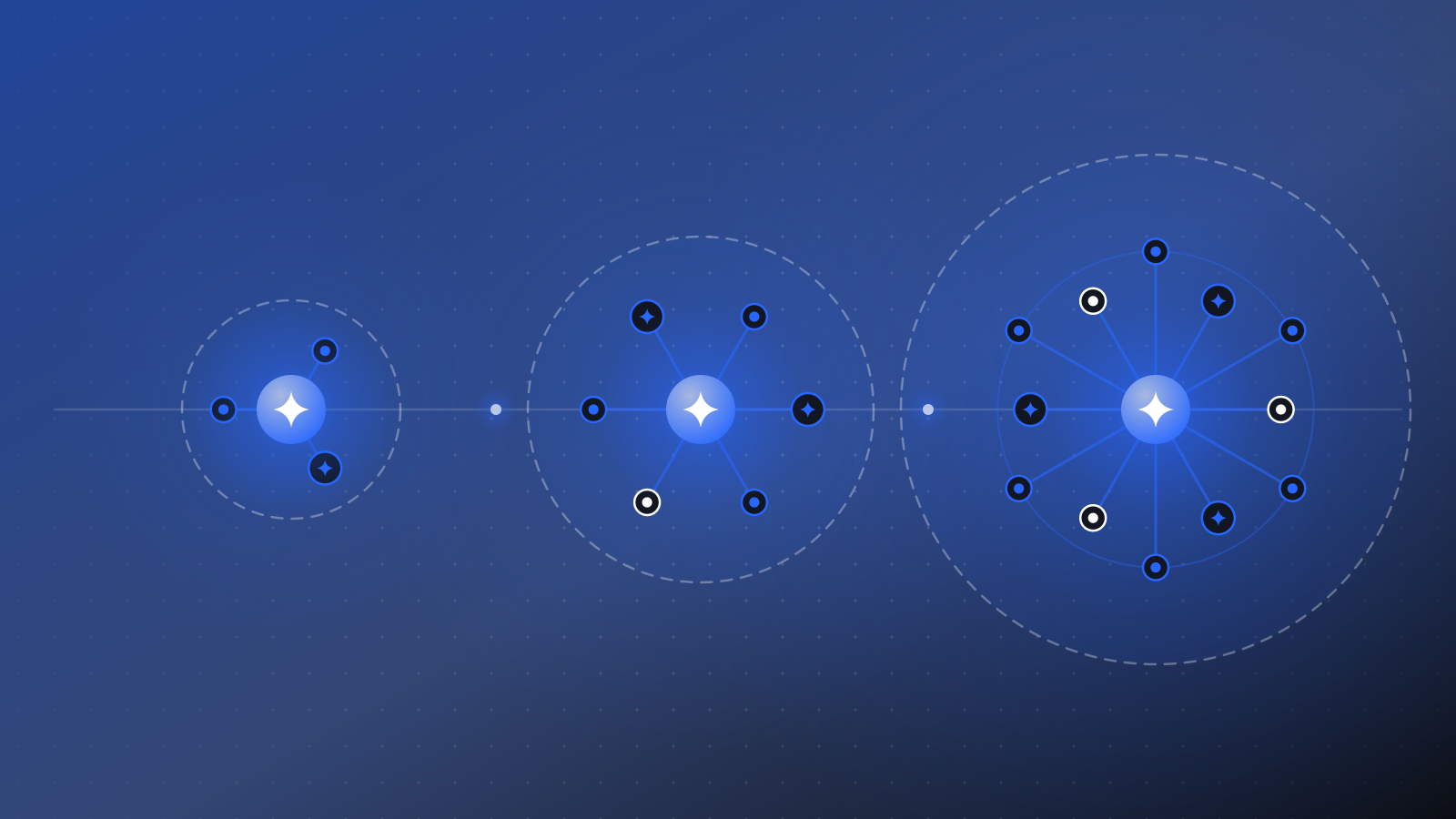
We build several agents with narrow jobs instead. In accounts payable, that might be an intake agent that extracts invoice data, a matching agent that checks it against purchase orders, an exceptions agent that explains mismatches, and a payment prep agent that assembles the run for approval. Each one has a small set of tools and a clear definition of done.
Agents as code
Every agent is defined as code in a repository you own: its instructions, its tools, its model policy, and its approval rules. That matters for three reasons:
- You can review changes the same way you review any other code.
- Every release is immutable and versioned, so you always know what is running.
- Your own team can extend the system after we leave.
Evaluate before you ship
An agent that looks good in a demo is not ready for production. Before any release is promoted, we run it against an evaluation set built from your own historical work: real invoices, real tickets, real contracts, with the outcomes your team already decided.
Evaluations answer plain questions. Did the agent extract the right totals? Did it route the ticket to the right queue? Did it flag the clause your counsel would have flagged? When a new version does worse on any of these, it does not ship.
Releases then roll out gradually. A canary takes a slice of the work first, and the release is promoted only once it behaves as expected. Dev and prod can live in separate AWS accounts, so experiments never touch live operations.
Measure what changed
Every run on the platform produces traces, spans, and metrics. You can see what an agent read, which tools it called, what it proposed, who approved it, and how long each step took.
That visibility does two jobs. It lets your team trust the system, because nothing is hidden. And it shows where to go next: which exceptions keep recurring, which approvals are always rubber-stamped and could be relaxed, and which steps still take people the most time.
We agree on the measures with you up front, using your own baseline. We do not walk in with promised percentages, because the honest answer depends on your workflow and your data.
Own the result
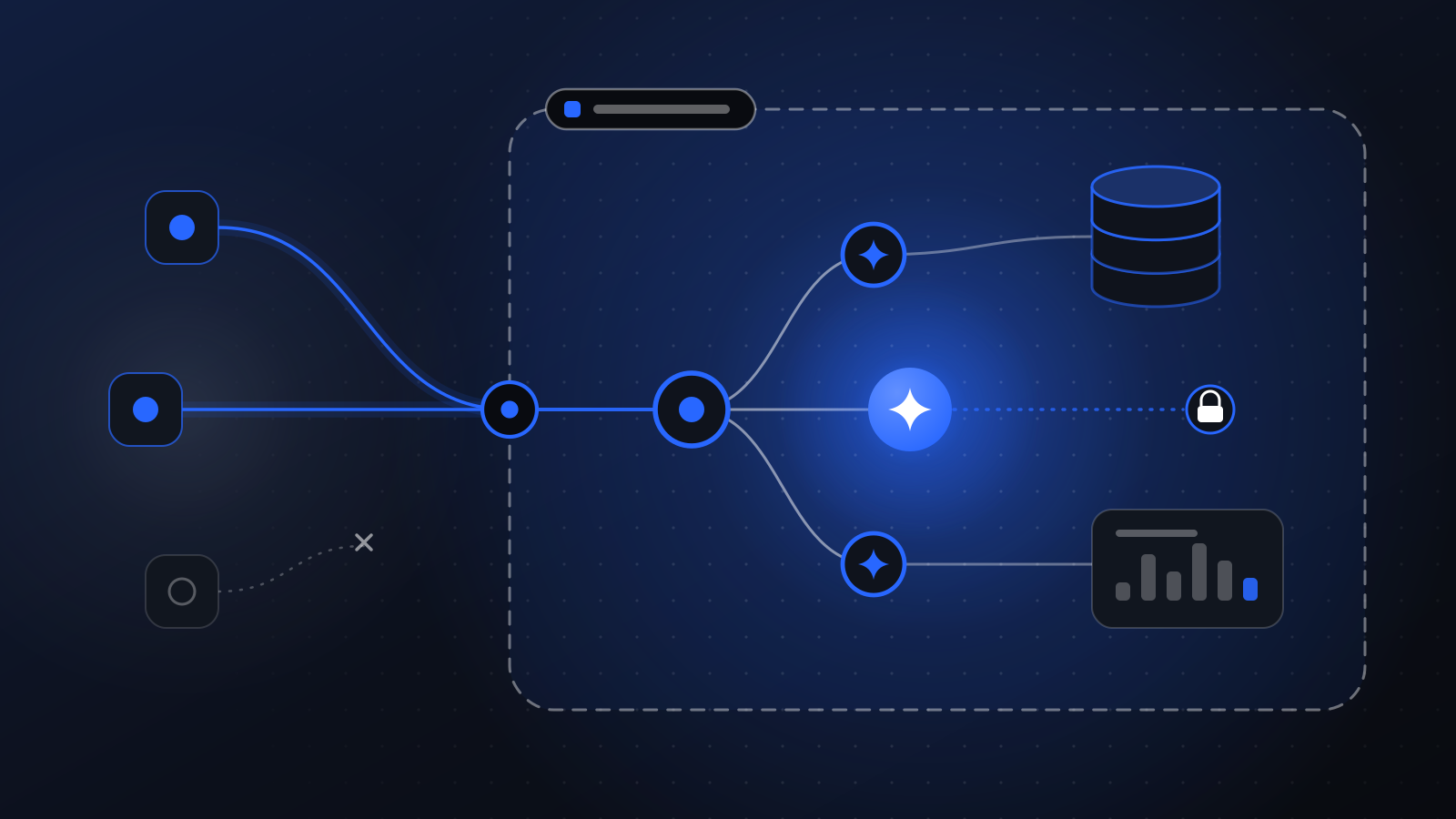
All of this runs in your own AWS account, under your brand. The agents, the evaluation sets, the runbooks, and the audit trail are yours. Model traffic goes only to the providers you approve, through a model gateway with policies you control.
When an engagement ends, you can run it yourselves with the code and runbooks we hand over, or keep a pod of ours working on the next workflow. Either way, nothing you depend on lives in someone else’s account.
The short version
Agentifying a workflow means:
- mapping the real work and its decisions,
- placing human approval points on purpose,
- building narrow, supervised agents defined as code,
- evaluating them against your own history before release,
- shipping versioned releases with canary rollout,
- and measuring every run in an account you own.
It is careful engineering applied to everyday operations. That is the job.
Talk to us
If you have a workflow that eats your team’s week, we would like to hear about it. Tell us what it looks like today and we will tell you plainly whether it is a good first candidate. Start a conversation.