Most writing about AI agents assumes a large company: a platform team, a data team, a procurement process, and a budget line for transformation. That leaves out most businesses.
A 40-person HVAC company has invoices to pay, customers to schedule, and new technicians to onboard. A regional accounting firm has engagement letters to review and client documents to chase. The workflows are the same shape as an enterprise’s. The difference is that there are fewer people to absorb them, and those people usually have three other jobs.
We work with organizations of every size, from small businesses to enterprises. This post is about the smaller end, and why we think it is often the better place to start.
Small teams feel the drag first
In a large company, a tedious workflow is spread across a team. In a small one, it lands on one person. The office manager who also does payables. The owner who answers support email at night. The dispatcher who is also the receptionist.
When that person is out, the work stops. When the business grows, that person becomes the bottleneck. These are exactly the workflows where supervised agents help: lots of reading, looking up, and drafting, with a few real decisions that a person should still make.
Why small can move faster
Enterprises have advantages, but speed of decision is rarely one of them. Small businesses often have:
- One decision-maker. The person who owns the workflow can approve the project, the approval points, and the go-live.
- Simpler systems. One accounting package, one help desk, one calendar. Fewer integrations to build.
- Clear ownership. Everyone knows who handles what, so mapping the workflow takes a conversation, not a series of workshops.
- Visible results. When one person’s week changes, everyone notices.
That combination means a small business can go from discovery to a supervised agent in production quickly, and learn from it right away.
What it looks like at small scale
The model is the same one we use for enterprises. The scope is smaller.
One account, one workflow
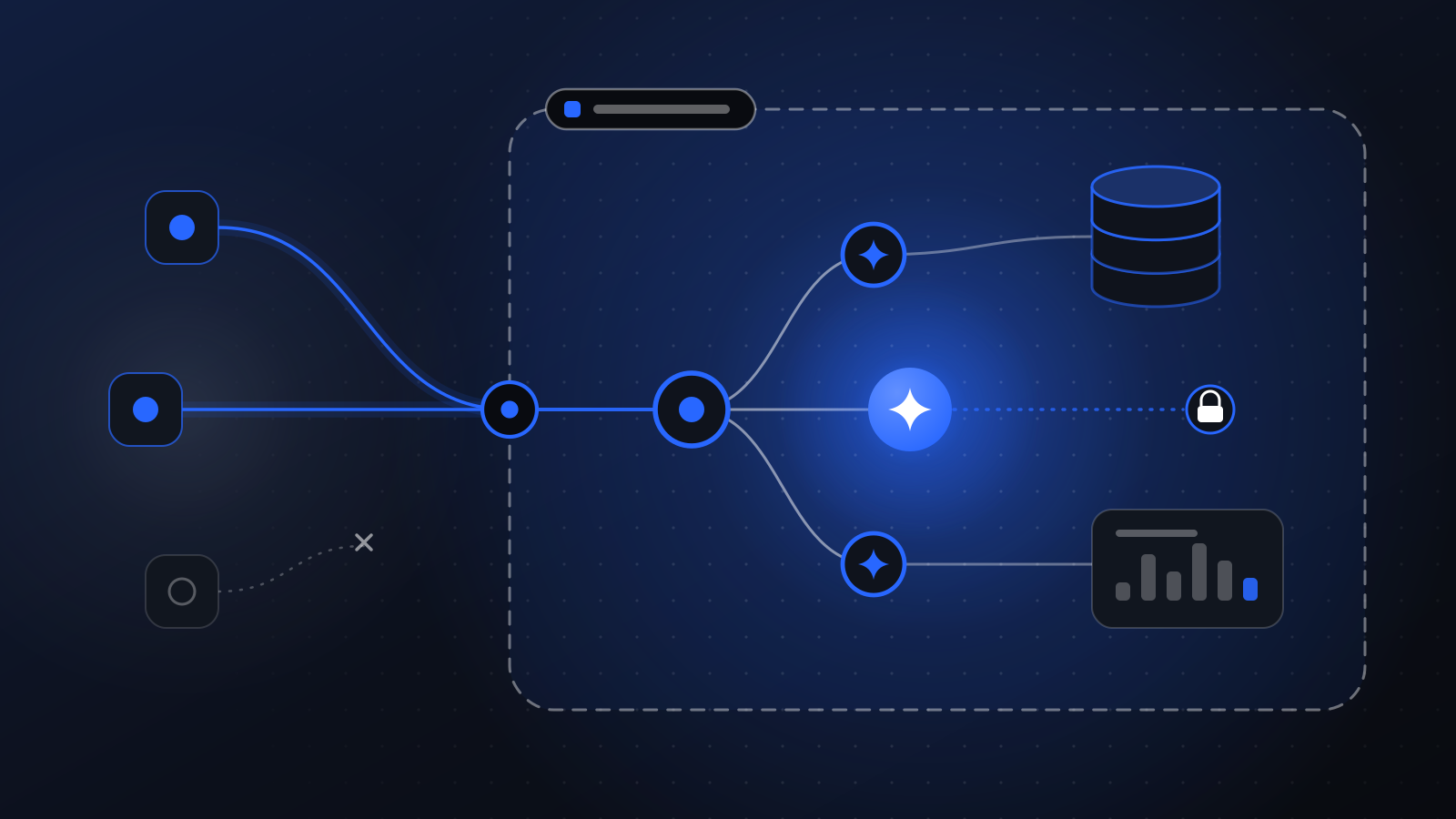
We deploy the platform into your own AWS account. If you do not have one, setting one up is part of the work, and we keep the footprint small. The infrastructure is defined with OpenTofu, so it is documented from day one.
Then we pick one workflow. Not five. The one that costs the most time each week and has clear inputs and outputs. Accounts payable, support triage, and scheduling are good first choices.
Your brand, not ours
Agents work under your name. Customer emails come from your domain. If your team uses Slack, the agent posts with the name and icon you choose. To your customers and staff, it is part of your business, not a third-party tool.
Approvals that fit your day
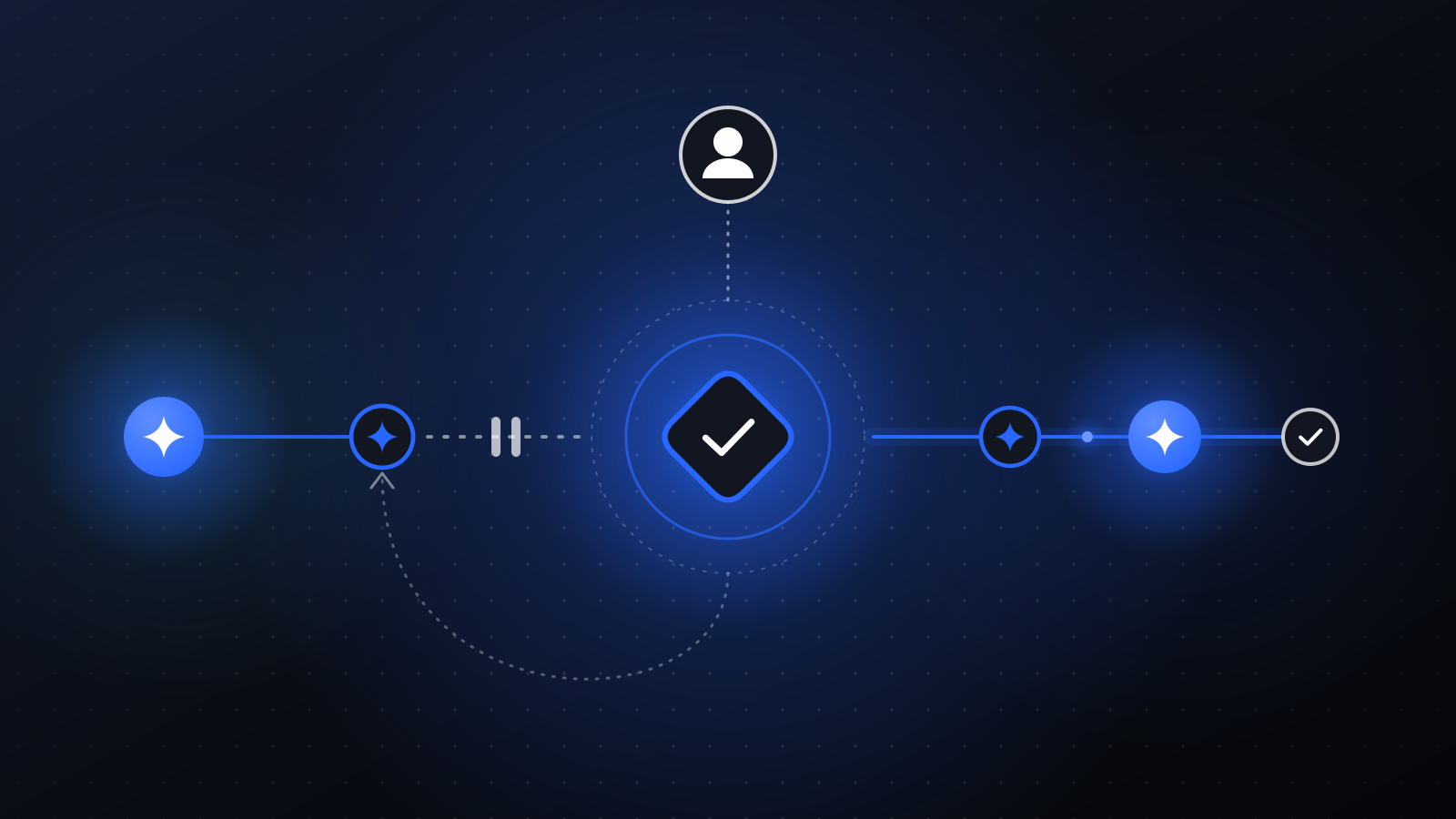
Small teams do not want another dashboard. Approval requests arrive where you already work, in Slack or email, with a clear summary and a yes or no. A payment run, a refund, or an unusual schedule change waits for you. Routine steps just happen.
What we do not do for small clients
We do not shrink the safeguards to fit a smaller engagement. Every client gets:
- agents defined as code, with immutable, versioned releases,
- evaluations against their own historical work before anything ships,
- human approval on risky actions,
- traces for every run,
- and retention, export, and erasure controls.
These are not enterprise extras. They are what make it safe to let software do real work, at any size.
How costs stay predictable
Small businesses rightly worry about open-ended bills. Two things help.
First, AWS infrastructure spend sits on your own AWS bill. You see what the agents cost to run, directly from AWS, with no markup hidden inside a subscription. For a single workflow, the footprint is modest.
Second, our work is scoped. A small-business engagement starts as a fixed-scope launch: deploy, brand, agentify one workflow, hand over. You get one invoice for the agreed scope, so you see exactly what you are paying for. If you want more workflows later, we scope those separately.
Owning it without an IT department
The common objection is: “We do not have anyone to run this.” Fair. There are two answers.
You can keep us on to operate the platform and add workflows over time.
Or you can run it yourselves. We hand over runbooks written for the people who will actually use them, not for a platform engineer. Most day-to-day operation is reviewing approvals and reading run summaries. If you later hire a developer or work with another firm, the agents are code in your repository and the platform’s source is public in the Agentifiers/deployments repository, under a license that lets you run and modify it for your own business. Nothing is locked away.
Where enterprises fit
None of this means we are less interested in large organizations. Enterprises bring scale, complex approval chains, and the need for separate dev and prod accounts, canary rollouts, and signed audit-log exports. The platform handles that too, and we run enterprise programs that span many workflows and teams.
The point is that the same architecture serves both. A small business does not need a lighter, less careful version. It needs the careful version, scoped to one workflow at a time.
Talk to us
If you run a small team and one workflow keeps eating everyone’s week, tell us about it. We will tell you honestly whether it is a good fit for agents and what a first engagement would involve. Get in touch.