Use case · Legal & risk
Contract & policy review
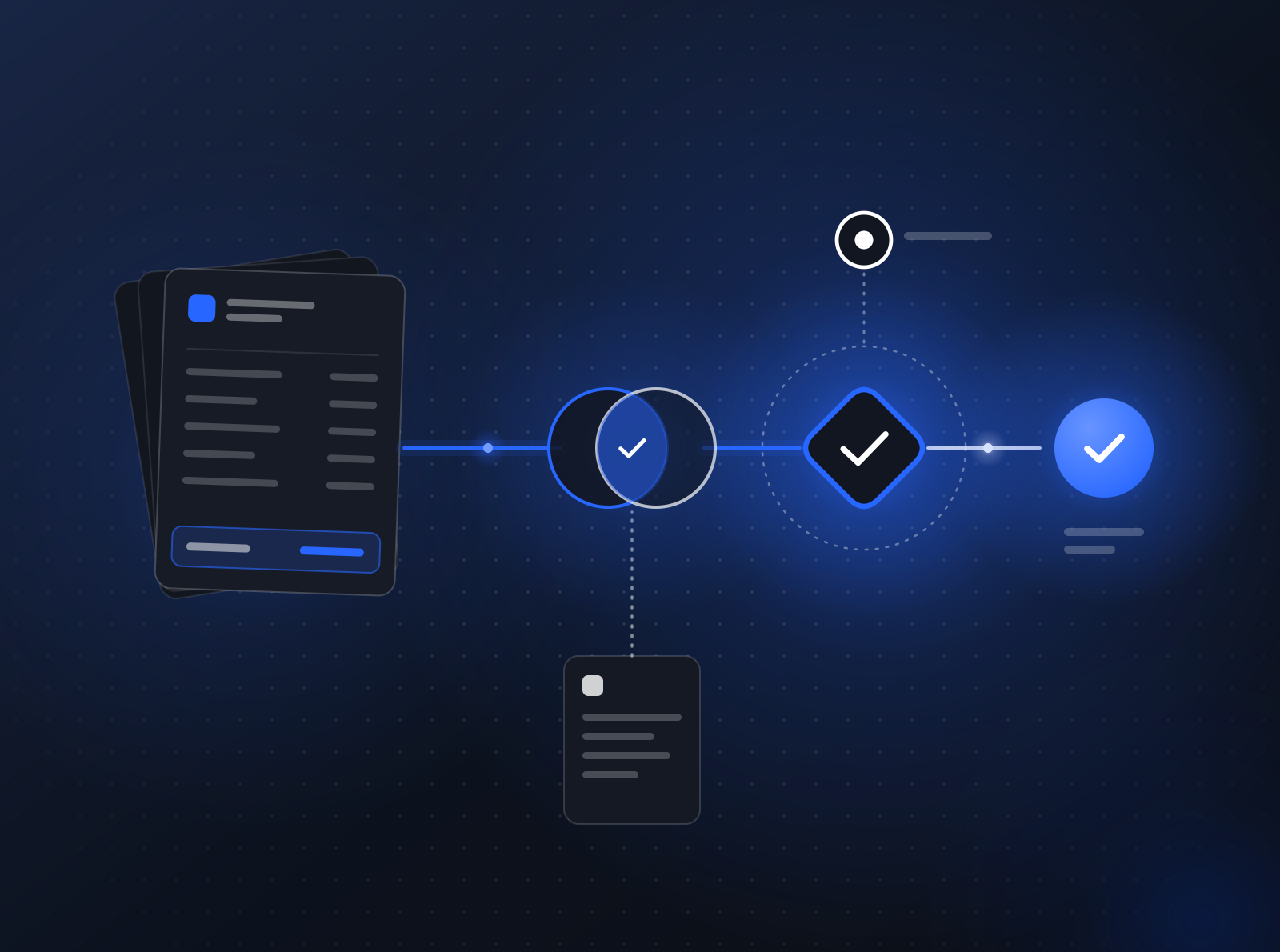
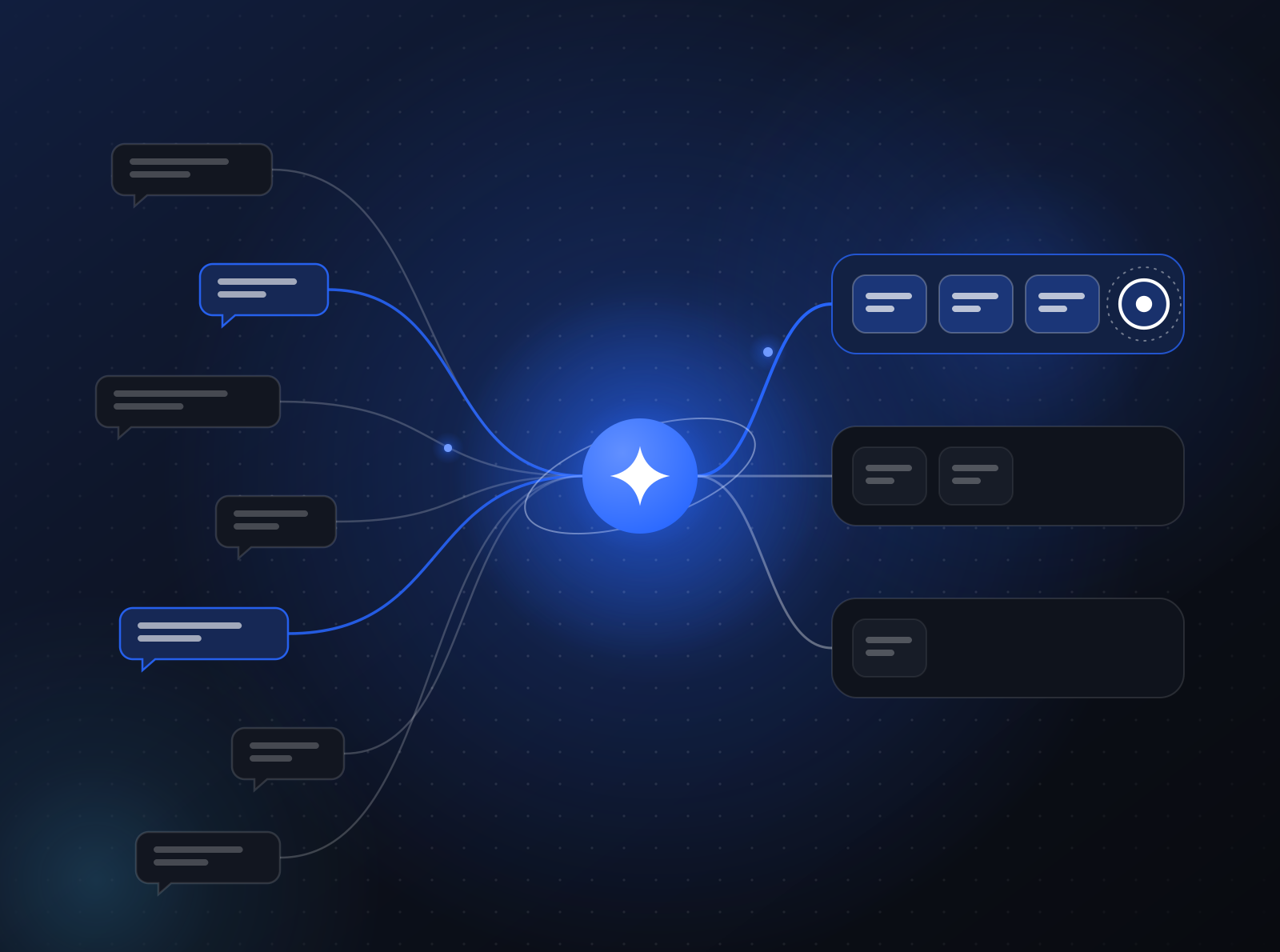
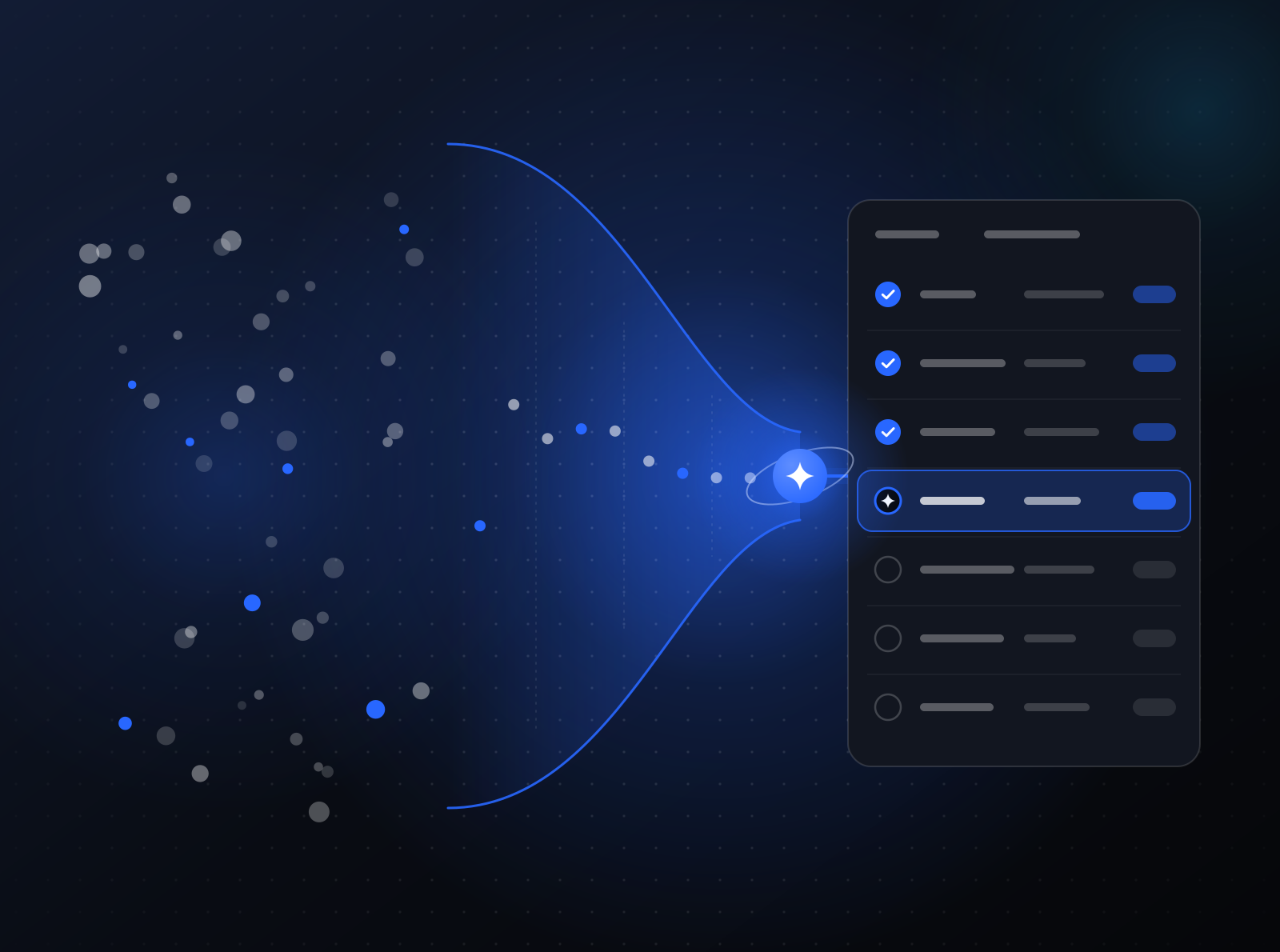
Agents compare incoming contracts against your playbook, flag deviations, and draft redlines with reasons. Your counsel makes every call that matters.
The workflow today
Sales sends over a customer’s paper or a vendor agreement. It waits in a legal queue. When someone gets to it, they read it end to end, compare each clause to the playbook from memory, mark up deviations, and write back. Low-risk NDAs wait just as long as complex master agreements.
In a mid-market company, this may be one in-house lawyer supported by outside counsel. In an enterprise, it is a legal operations function with intake, tiers, and service levels that are hard to meet.
The agentified workflow
- Intake agent. Receives the document, identifies the contract type and counterparty, checks for an existing relationship, and sets the review tier.
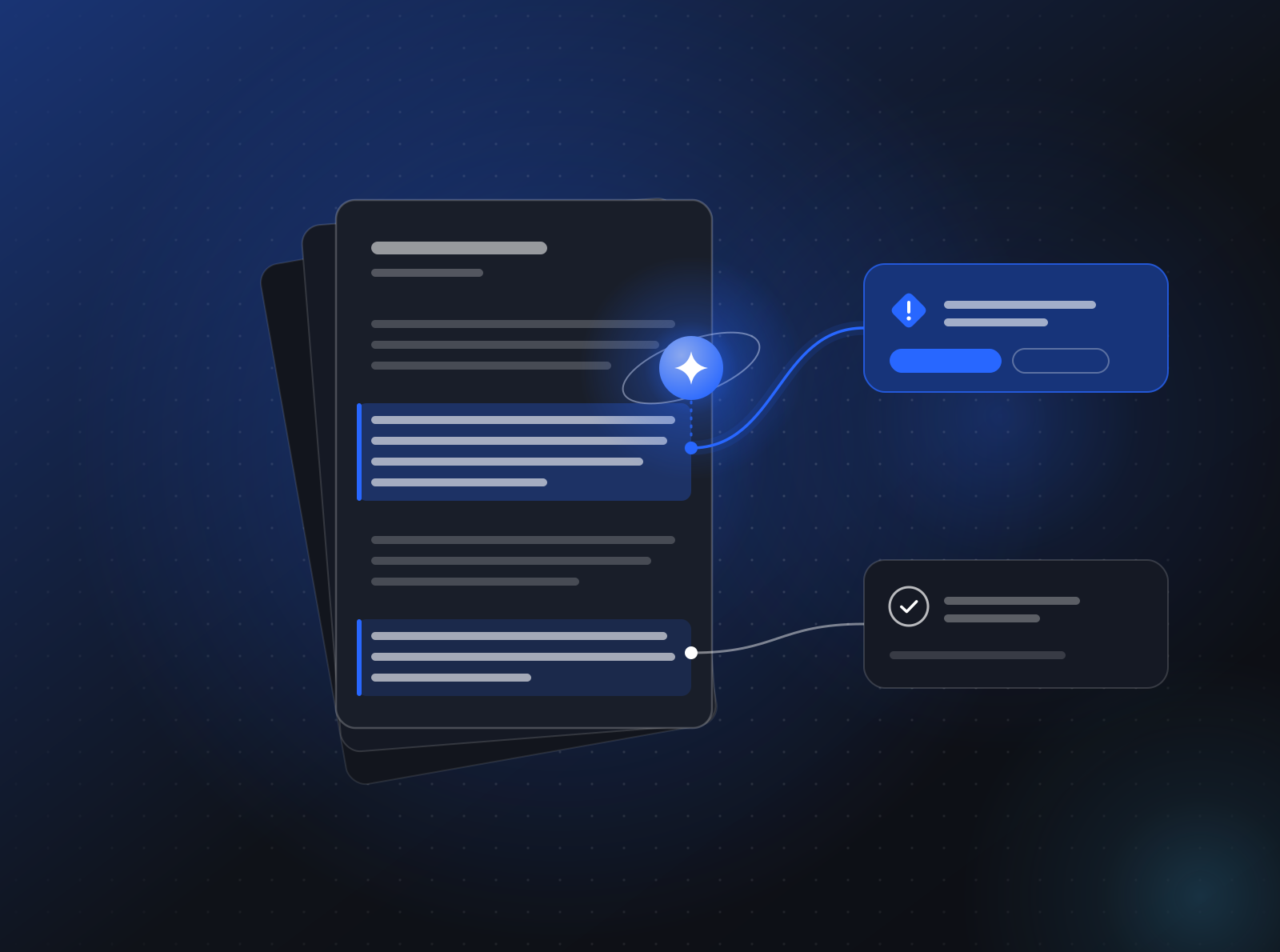
- Review agent. Walks the contract clause by clause against your playbook: liability caps, indemnities, termination, data protection, payment terms, governing law. Each finding links to the exact text and the playbook position it departs from.
- Redline agent. Proposes redlines using your approved fallback language and writes a short reason for each change that the business owner can understand.
- Summary agent. Produces a one-page brief for the requester: what is standard, what is not, and which decisions they need to make.
Counsel reviews the findings and redlines, edits as needed, and decides what goes back to the counterparty.
Guardrails
- The agents never send anything to a counterparty. Outbound redlines require a person.
- Findings always cite the source clause, so reviewers can verify rather than trust.
- Contract text stays in your AWS account and is sent only to the model providers you approve.
- Retention policies, export, and erasure apply to every document and run.
- Playbook changes ship as new versions and are evaluated against past contracts before release.
Where it goes next
The same review pattern applies to internal policy checks, vendor security questionnaires, and obligation tracking after signature, such as renewal dates and notice periods that feed scheduled reminders. Because the playbook lives as editable rules and examples, legal can tighten or relax a position in one place and see the effect in evaluations before it reaches a live review. Over time, low-risk contract types such as standard NDAs can move to a lighter review tier with spot checks.