Use case · Revenue
Lead qualification & CRM hygiene
Agents research new leads, score them against your ideal customer profile, and keep CRM records clean. Sales decides who gets a call and what goes out.
The workflow today
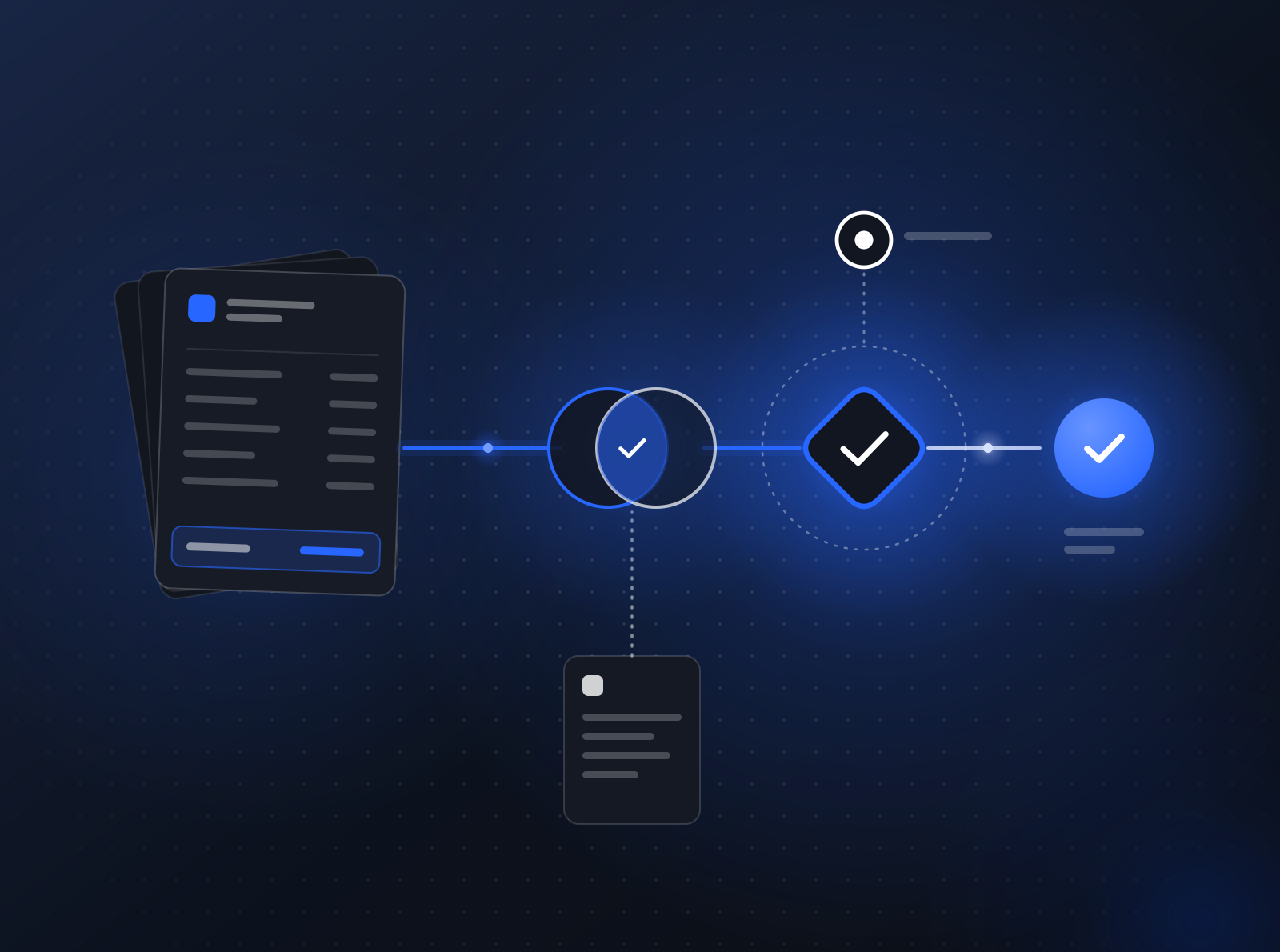
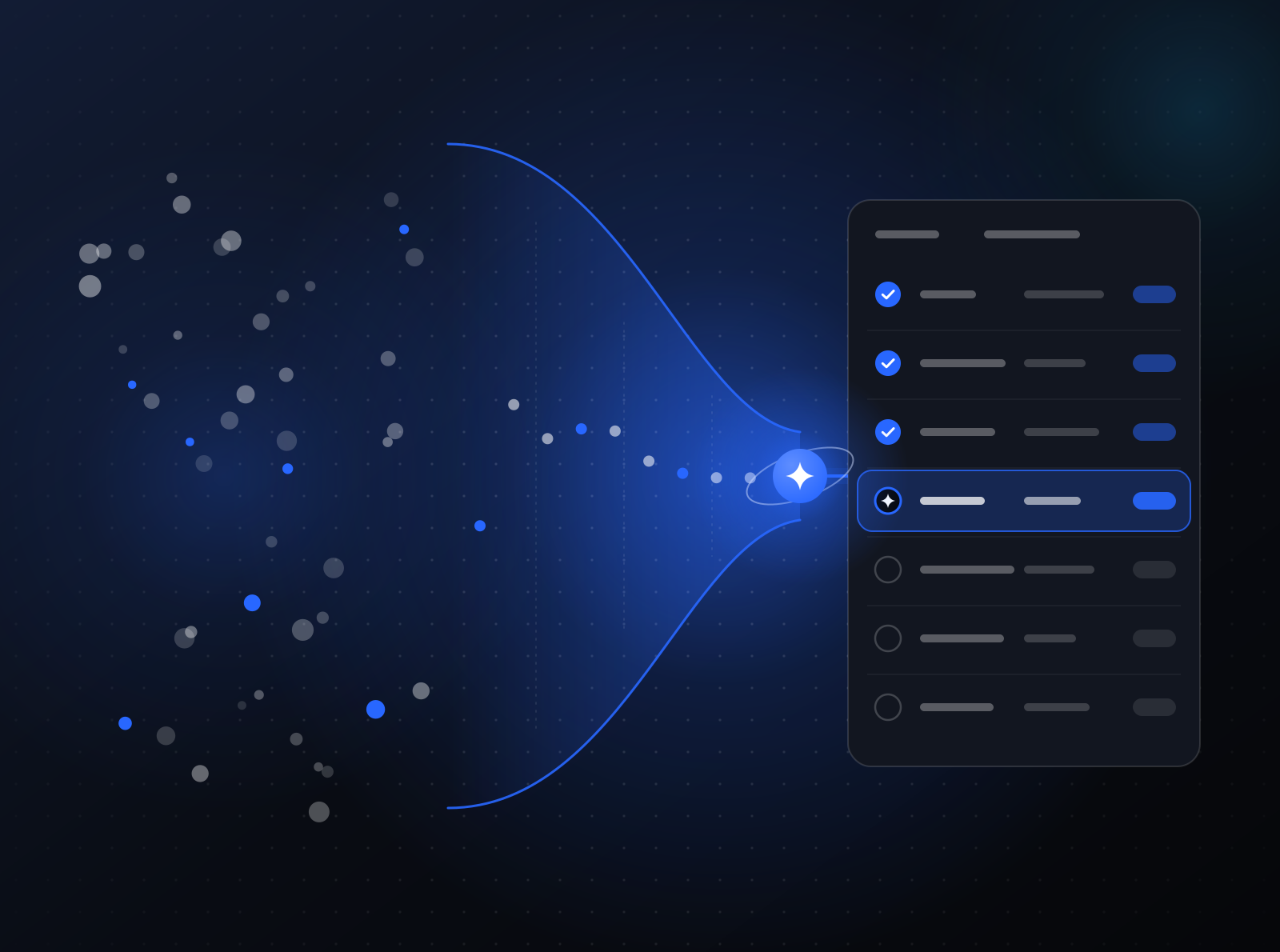
A form fill or an inbound email arrives. Someone checks whether the company is a fit, looks it up, guesses at size and industry, creates a record, and assigns it to a rep. Days later, the rep finds duplicates, missing fields, and a contact who changed jobs. Pipeline reviews turn into arguments about whose data is right.
A small business might have one founder doing all of it after hours. An enterprise has a revenue operations team with routing rules, territories, and enrichment tools that still leave gaps.
The agentified workflow
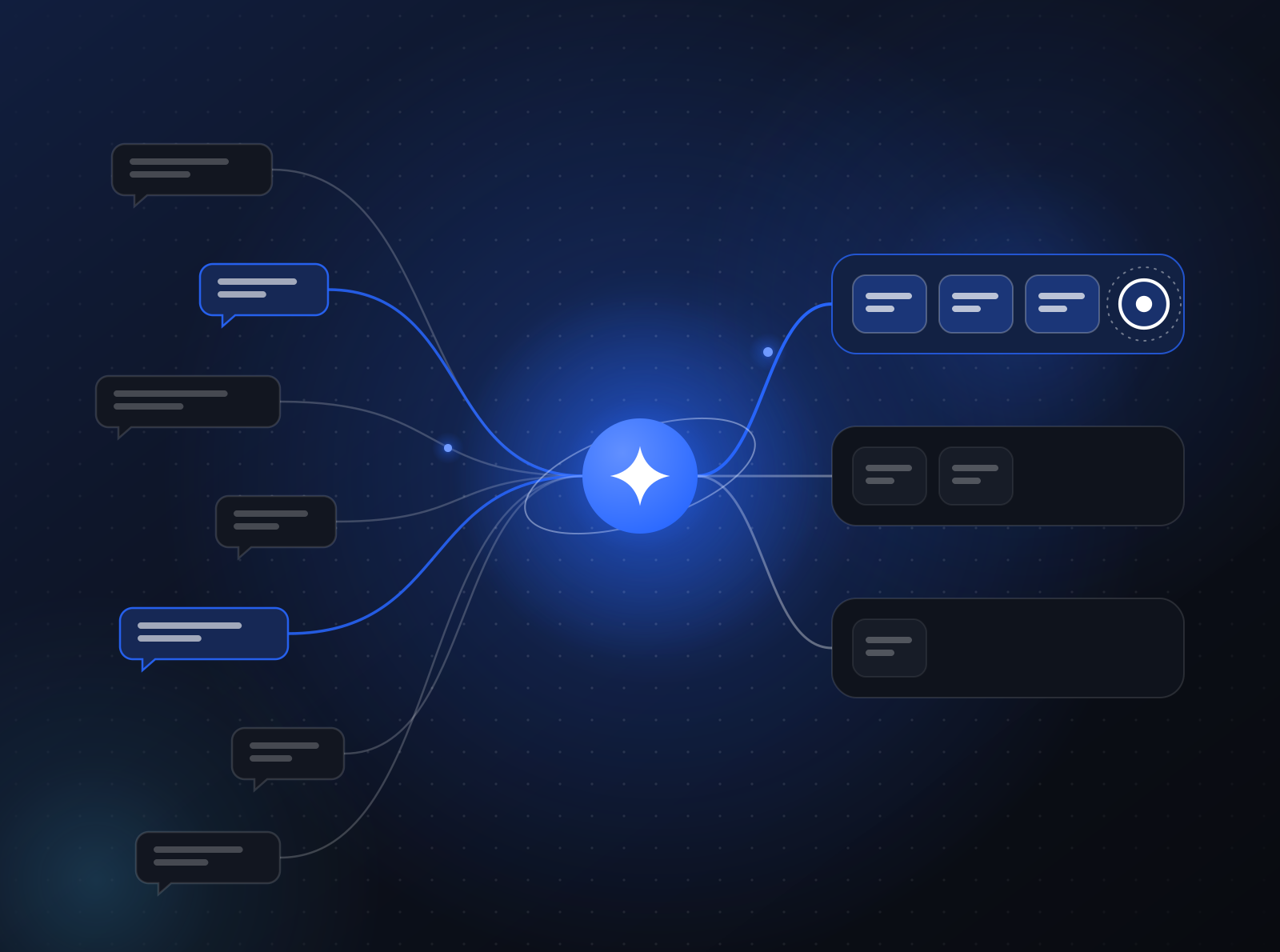
- Research agent. For each new lead, reads the company’s public website and your existing CRM history, and writes a short brief: what they do, likely size, and why they might be talking to you.
- Scoring agent. Scores the lead against your ideal customer profile, written as a plain-language rubric your team owns, and explains the score in a sentence or two.
- Routing agent. Assigns the lead by territory and capacity, posts a handoff in the rep’s Slack channel, and drafts a first reply for the rep to edit and send.
- Hygiene agent. On a schedule, finds duplicates, stale stages, missing fields, and contacts with bounced email. It proposes fixes as a batch for a person to approve.
Guardrails
- No email leaves without a person approving it, unless you explicitly clear a template for direct send.
- Merges and deletions are approval-gated tools. The agent proposes, a person decides.
- Research is limited to sources you allow. The agent records where each fact came from.
- Scoring changes ship as new versions and are evaluated against past deals before promotion.
- Runs, traces, and CRM changes are logged in your AWS account.
Where it goes next
From here, natural next steps are meeting prep briefs, renewal risk summaries for account managers, and win/loss notes drafted from call summaries and CRM history. Each one reuses the same research and memory tools, so the second workflow is faster to build than the first. The hygiene agent’s schedule can also widen to cover accounts and opportunities, not just new leads.